
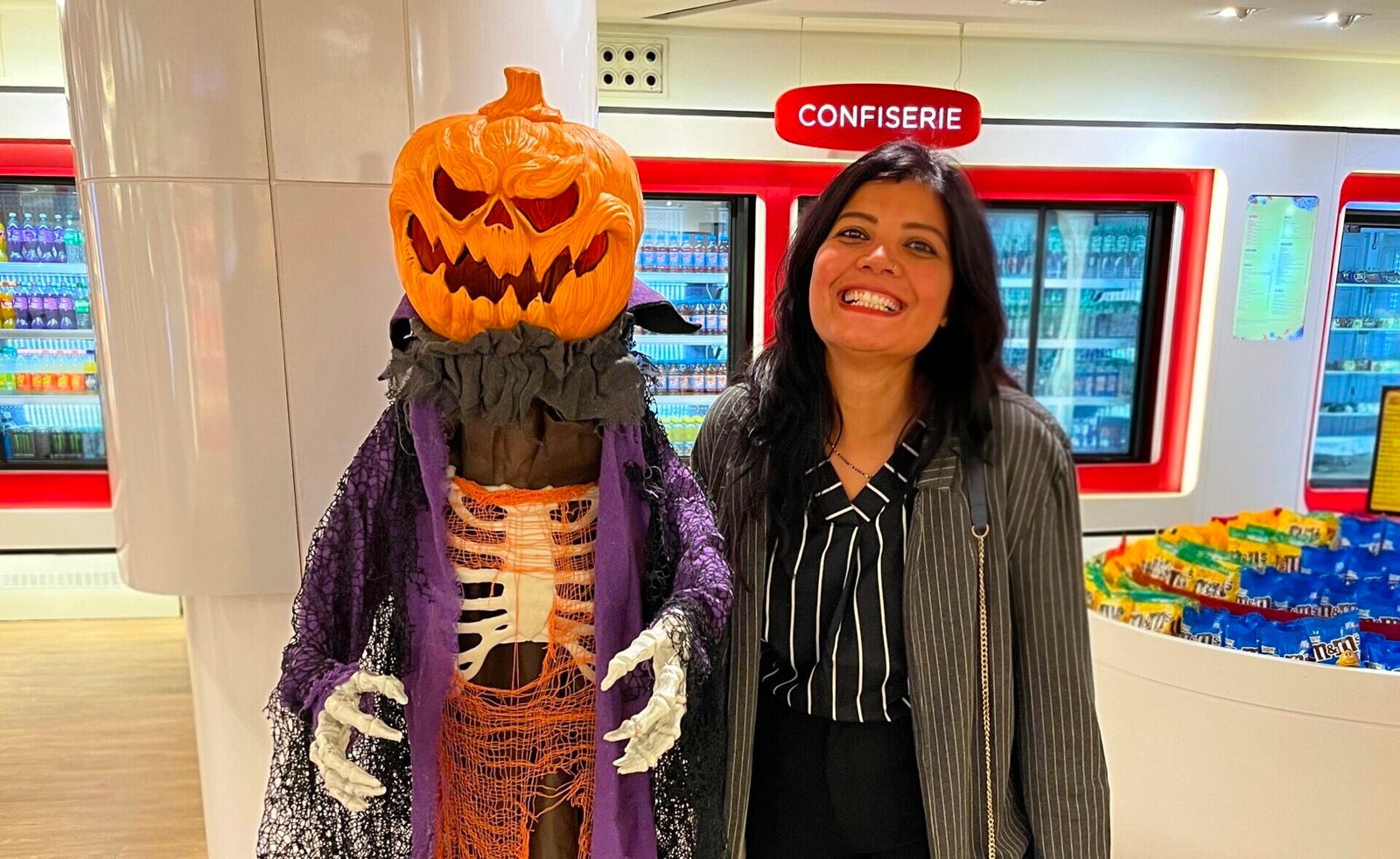
The first trimester in pregnancy is the beginning of a beautiful journey, but it is also one of the most sensitive and challenging phases. Along with excitement and happiness, many women experience confusion, fear, and physical discomfort. During this time, many changes are happening inside the body, even though pregnancy may not yet be visible from the outside.
In this blog, I am sharing my real first trimester pregnancy experience, along with important information about common symptoms, diet, do’s and don’ts, and some personal learnings that may help other women going through this phase.
What Is the First Trimester in Pregnancy?
The first trimester is the initial stage of pregnancy, from week 1 to week 12. This is the time when the baby’s development begins and the mother’s body starts adjusting to hormonal changes. This phase can feel difficult because:
- Hormonal changes happen very quickly
- Energy levels often drop
- Nausea, vomiting, and mood swings are common
How It Started: The Two Pink Lines & The French Doctor
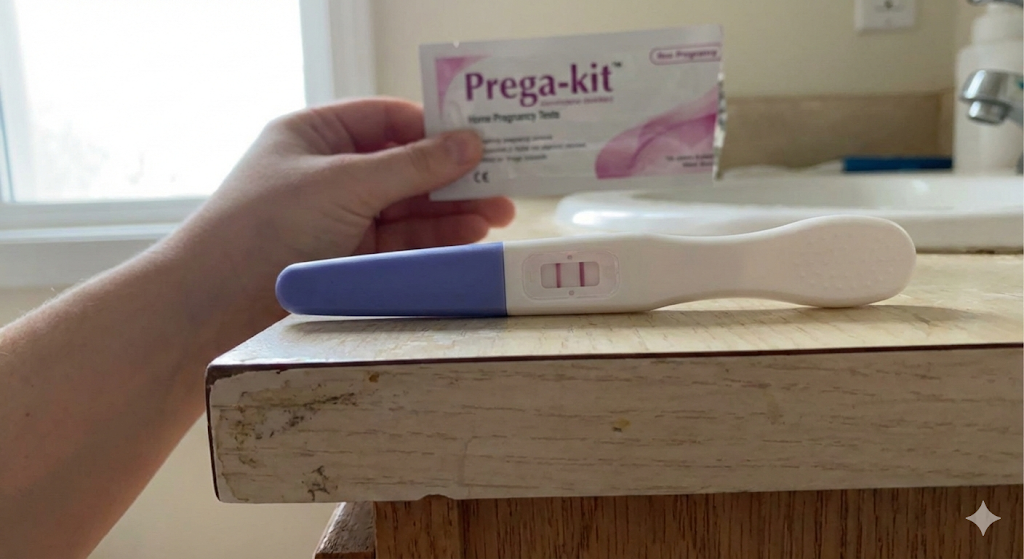
We were already planning for a baby, so when I missed my period, my heart started racing with hope. I immediately used a Prega-kit to check. And there they were—Two Pink Lines. Seeing those lines, my happiness knew no bounds. I was over the moon!
But then came the reality of living in France. Unlike in India, you can’t just walk into a clinic here. Getting a specialist’s appointment takes time. I desperately wanted to confirm it, but I had to wait for the earliest available slot.
Finally, the day arrived. My husband and I went to the doctor. She prescribed a blood test for official confirmation and did an ultrasound right there. When she confirmed, “Yes, you are pregnant,” it became real. My husband was beaming with joy; seeing his face made the moment even more special.
The doctor started me on Folic Acid tablets (one daily for a month) to support the baby’s early growth. By the third month, I was also given my Flu vaccine to ensure both the baby and I stayed safe.
First Trimester Symptoms (Week-Wise & Real Experience)
Every woman experiences pregnancy differently, but some symptoms are very common during the first trimester.
Common First Trimester Symptoms:
- Missed period
- Mild lower abdominal pain or cramps
- Extreme tiredness and weakness
- Gas and bloating
- Nausea and vomiting
- Sensitivity to smells and food aversions
- Mood swings
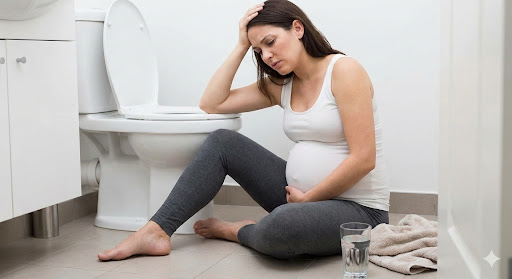
My Personal Experience: In my case, whenever my period date approached, I experienced lower abdominal pain, similar to period pain. It felt like my period would start today or tomorrow, but it never came. This pain continued for three to four days in every cycle and happened for almost three months, which made me feel anxious and confused. Even after my pregnancy was confirmed, the first trimester was not easy. I suffered from severe gas, strong sensitivity to smells (especially the smell of cooking food like dal), and morning vomiting, especially after brushing my teeth and cleaning my tongue.
💡 Note: Mild cramps, gas, and nausea are usually normal in early pregnancy. However, severe pain or bleeding should always be discussed with a doctor.
First Trimester Diet (Gas & Nausea Friendly)
Eating properly during the first trimester can be difficult, but nutrition is very important for both mother and baby.
Foods to Eat in the First Trimester:
- Fresh fruits like apple, banana, and pear
- Light, home-cooked meals
- Plain rice, dal, or khichdi
- Curd (if it suits your body)
- Coconut water
- Plenty of water
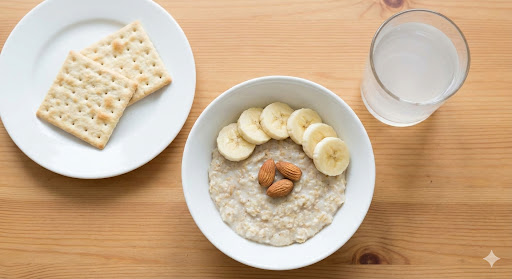
During my first trimester, milk and heavy foods did not suit me. I learned that eating small and frequent meals helped reduce gas and nausea.
Foods to Avoid:
- Spicy and oily food
- Junk and processed food
- Foods with strong smells
- Eating large portions at one time
First Trimester Do’s and Don’ts
✅ Do’s:
- Take enough rest and sleep
- Eat small meals throughout the day
- Stay well hydrated
- Listen to your body
- Go for regular doctor checkups
- Try to stay calm and positive
❌ Don’ts:
- Do not skip meals
- Avoid self-medication
- Stay away from stress and overthinking
- Avoid smoking, alcohol, and junk food
- Do not compare your pregnancy with others
Final Thoughts on First Trimester in Pregnancy
The first trimester in pregnancy can be emotional, exhausting, and sometimes overwhelming—but it is temporary. With the right information, proper care, and patience, this phase becomes easier to manage.
Remember:
Every pregnancy is unique.
Be gentle with yourself, trust your body, and take one day at a time 💛
❓ Frequently Asked Questions (FAQs)
First Trimester in Pregnancy
1. Is the first trimester in pregnancy the most difficult phase?
For many women, the first trimester can feel the most challenging because of hormonal changes, nausea, fatigue, and emotional ups and downs. However, every pregnancy is different, and some women may experience only mild symptoms.
2. Is it normal to have period-like pain in the first trimester?
Yes, mild lower abdominal pain or cramps similar to period pain can be normal in early pregnancy due to uterine changes. However, severe pain or pain with bleeding should always be checked by a doctor.
3. Why do gas and bloating increase during the first trimester?
Hormonal changes slow down digestion during early pregnancy, which can lead to gas and bloating. Eating light meals, avoiding oily food, and drinking enough water can help manage this.
4. What foods are best to eat in the first trimester?
Light, home-cooked meals, fresh fruits, plain rice, dal, khichdi, curd (if tolerated), and plenty of fluids are good options. Eating small, frequent meals can help reduce nausea and gas.
5. Is vomiting during the first trimester normal?
Yes, nausea and vomiting—often called morning sickness—are very common in the first trimester. It can happen at any time of the day and is usually triggered by smells, brushing teeth, or an empty stomach.
6. How much rest is needed during the first trimester?
There is no fixed rule, but increased tiredness is common in early pregnancy. Listening to your body, taking naps when needed, and getting proper night sleep are very important during the first trimester.
7. When should I consult a doctor in the first trimester?
You should consult a doctor if you experience heavy bleeding, severe abdominal pain, extreme vomiting, dizziness, fever, or anything that feels unusual or worrying.
8. Is it okay to feel emotionally low or anxious in the first trimester?
Yes, emotional changes are very common due to hormonal shifts and fear of the unknown. Talking to your partner, family, or doctor and taking enough rest can help you feel emotionally supported.
💬 Call to Action (CTA)
If you are currently in your first trimester of pregnancy, remember that you are not alone. Every pregnancy journey is different, and listening to your body is the most important thing.
💗 If this blog helped you, feel free to save it, share it with another mom-to-be, or leave a comment below with your experience or questions.
Your story might help another woman feel less anxious and more supported.

No comments yet. Be the first to share your thoughts!