

But we tend to pay less attention to the most basic thing — water.
But the truth is:
💧 “The water you drink forms the base of your baby’s development.”
Today, let’s talk about this in the Indian context — RO water, tap water, boiled water, or bottled water… what’s the safest?
Water Quality Reality in India
Drinking water quality in India varies quite a bit depending on your location.
Monitoring and standards are handled by the Bureau of Indian Standards (BIS)
But the problem is:
- Every household’s pipeline system isn’t safe.
- Groundwater contamination is very common.
- The risk of nitrates and bacteria is much higher in rural areas.
- Older buildings carry the risk of lead pipes.
That’s why blindly trusting tap water during pregnancy just isn’t safe everywhere.
👶 Why is water so important during pregnancy?

During pregnancy:
- Blood volume increases by 40–50%.
- Amniotic fluid is maintained.
- Nutrients and oxygen reach the baby.
- The risk of constipation and UTIs is reduced.
Dehydration can lead to:
- Headaches
- Low BP
- Preterm contractions
💡 Pro-Tip: How to check if you’re hydrated?
Drinking 2.5–3 liters of water daily is recommended, but everybody is different. The simplest way — check your urine color.
- 💛 Dark Yellow: You are dehydrated (drink up!).
- 🤍 Pale Yellow / Clear: You are perfectly hydrated.
🔥 Option 1: The “Desi” Gold Standard – Boiled Water
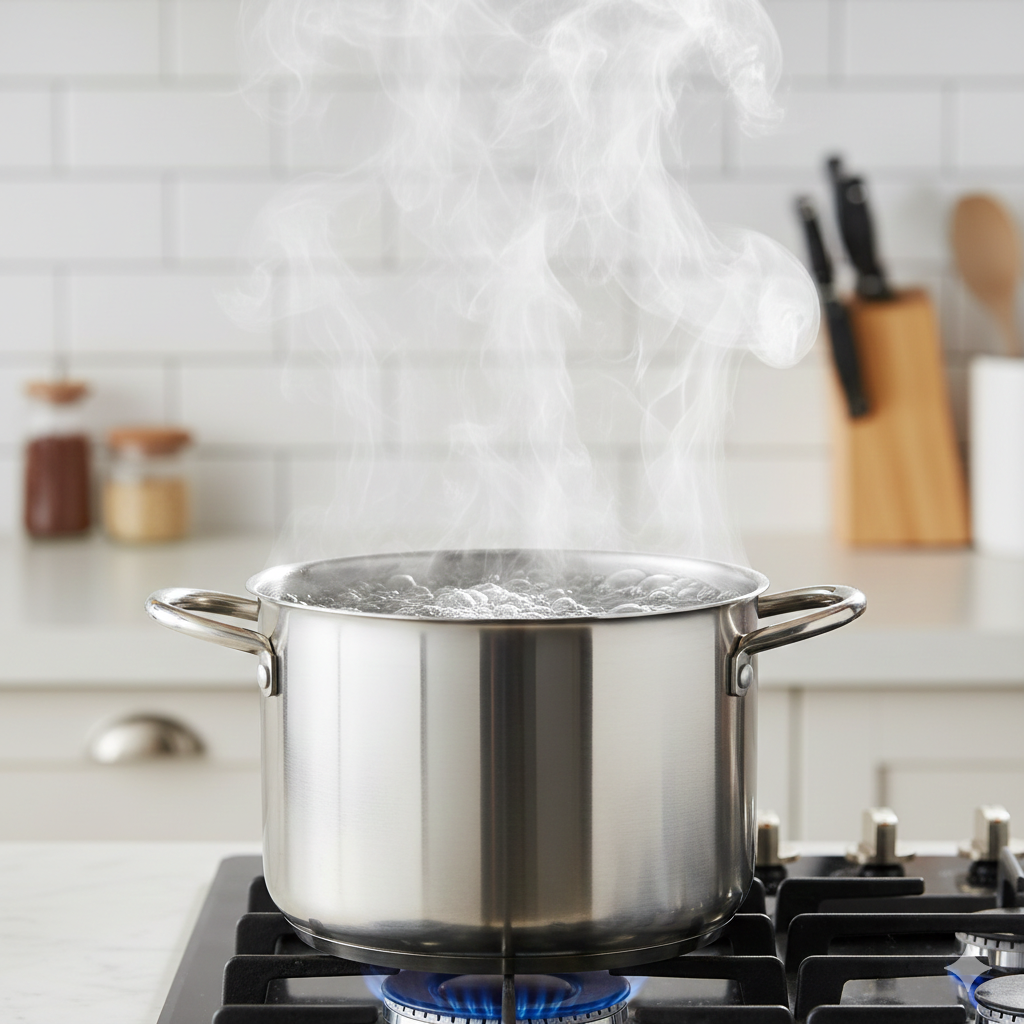
For generations in India, this has been the safest method. If you have any doubts about your water source, Boiled & Cooled Water is the best.
Many doctors advise “Double Safety”:
- First, filter it through the RO.
- Then, boil it for 10-20 minutes (Rolling Boil).
This kills bacteria and viruses 100%. This is essential during the monsoons.
🚰 Option 2: RO Water – Safe or Not?
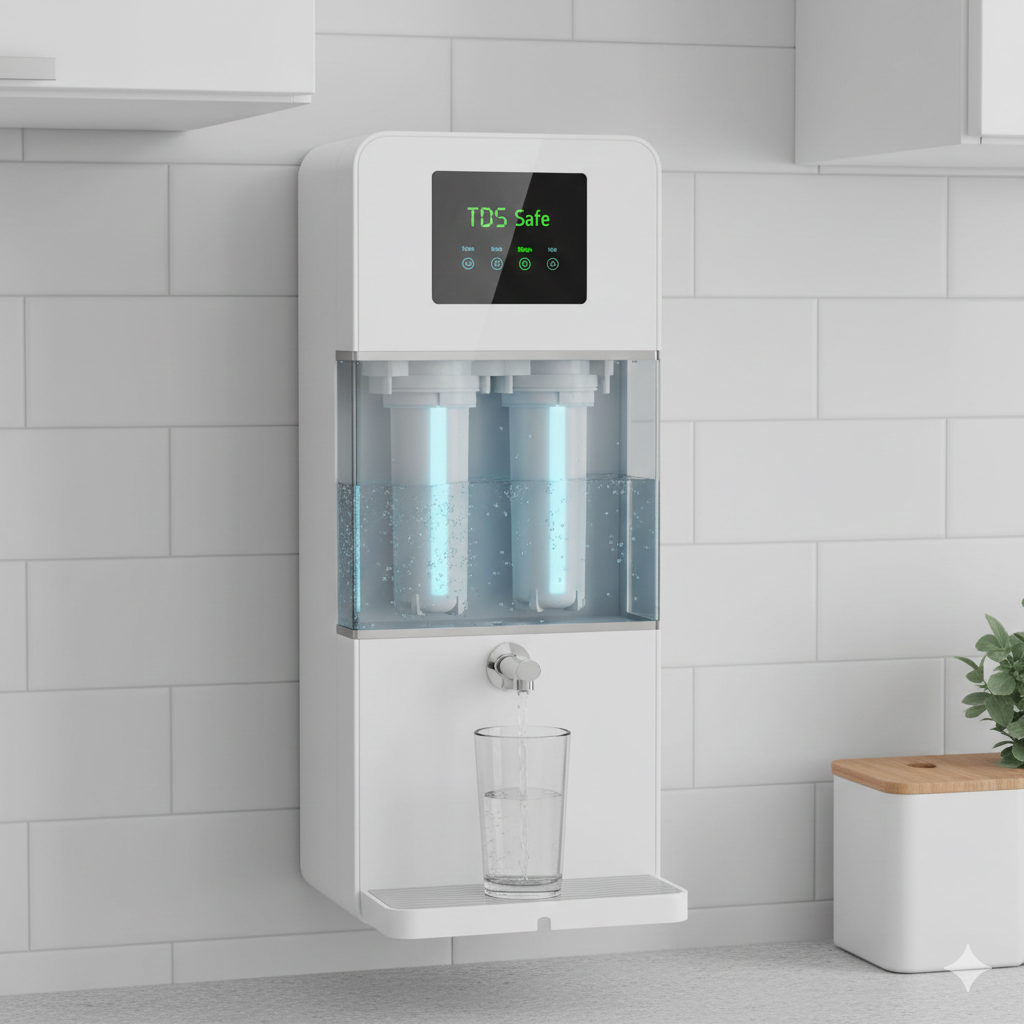
RO (Reverse Osmosis) removes harmful impurities:
- Bacteria
- Heavy metals
- Nitrates
But:
❗ RO also removes essential minerals (calcium, magnesium).
❗ TDS levels matter:
If the TDS is below 50-80, the water:
- Tastes a bit bitter.
- Loses its pH balance (becomes acidic).
- Isn’t good for your health in the long run.
If you are using an RO:
- Ensure the TDS is between 100–300 (the sweet spot).
- An RO with a mineral cartridge is a much better option.
🏆 My Top RO Recommendation (Pregnancy Safe):
Aquaguard Ritz Pro RO+UV+Copper Water Purifier
I chose this specific model because it eliminates the fear of “plastic leaching”.
- Stainless Steel Tank: Its storage tank isn’t plastic; it’s made of high-grade stainless steel. This means there is zero risk of microplastics or BPA leaching into the water.
- Mineral Booster: It doesn’t just clean the water; it adds calcium and magnesium back into it.
- Digital Sterilization: It features UV sterilization inside the tank, so the water stays fresh even after being stored.
🍼 Option 3: Bottled Water – Is it a better option during pregnancy?
If:
- You are traveling
- Your area has water contamination issues
- Your home water source is doubtful
Then, certified bottled water can be a safe option. In India, it’s regulated by the FSSAI.
⚠️ But there is a hidden danger – Plastic and Sunlight
When buying a bottle:
- ✔️ Check for the BIS mark
- ✔️ Ensure the seal is intact
- ✔️ Never buy a bottle that has been kept in direct sunlight
Why?
When a plastic bottle heats up in the sun, BPA (a harmful chemical) starts leaching into the water. This is not safe for your baby’s development.
🏆 My Top Bottled Water Recommendation:
Himalayan Natural Mineral Water
If you can afford it, Natural Mineral Water (sourced from the Himalayas) is much better than RO processed water because the minerals in it are natural, not artificially added.
- Natural Minerals: It contains potassium, calcium, and magnesium in their natural form, which the body absorbs quickly.
- Pro-tip (Plastic Safety): Try to buy the “Glass Bottle” pack if it’s available. If you have to buy a plastic bottle, always check the manufacturing date (the fresher it is, the safer).
(If Himalayan isn’t available, Bisleri is the most reliable alternative because they add minerals back into their water, and their ozonation process is very strong at killing bacteria.)
⚠️ Which contaminants in water can be dangerous?
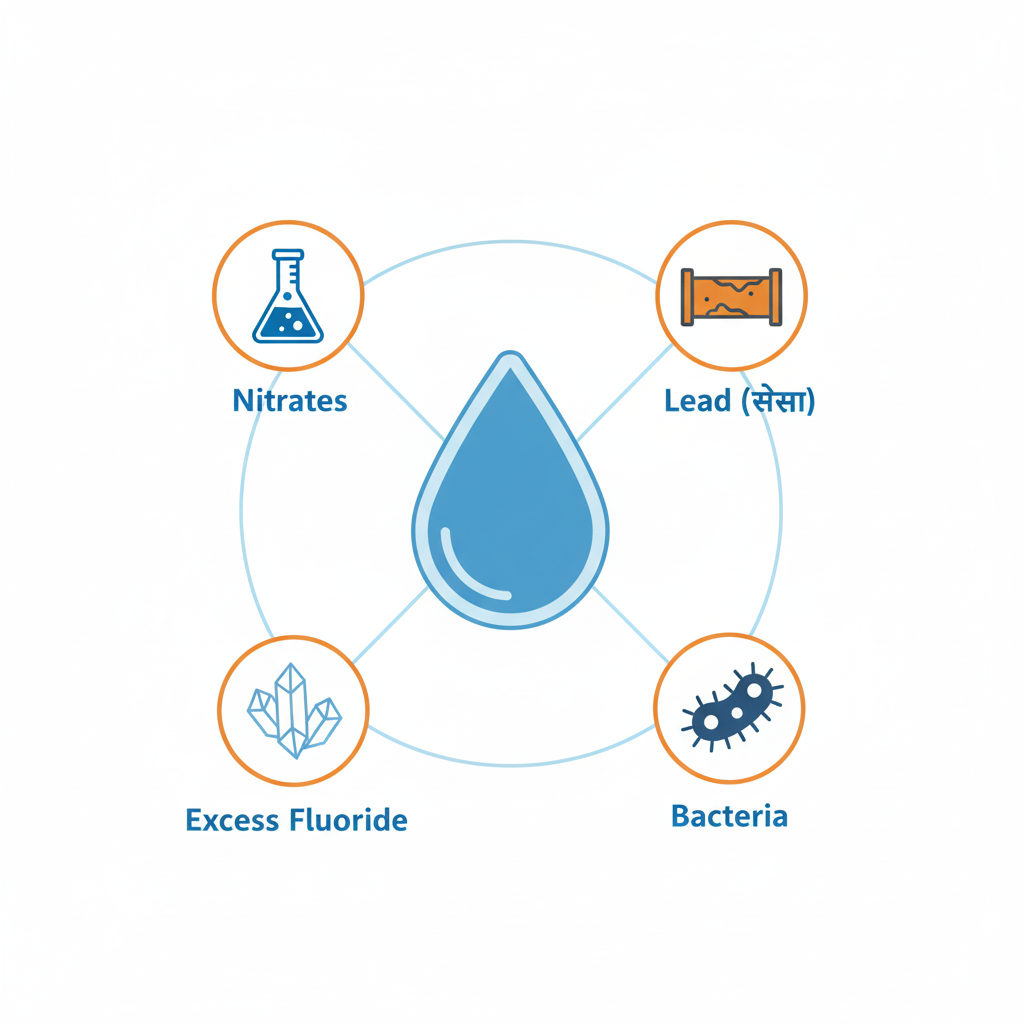
- Nitrates: High levels can affect the baby’s oxygen transport.
- Lead: Has a negative impact on brain development.
- Excess Fluoride: High levels can be harmful.
- Bacterial Contamination: Leads to diarrhea and infections → Dehydration → Pregnancy risks.
🤍 Safe Pregnancy Water Checklist
- ✔️ 2.5–3L water daily (Monitor your urine color)
- ✔️ “Double Safety” at home (RO + Boiling) is the best
- ✔️ Keep RO TDS at 100+ and prefer a stainless steel tank
- ✔️ Rely on bottled water while traveling (Avoid sun-heated bottles)
- ✔️ Get your RO serviced regularly
💬 Final Note for Moms
During pregnancy, we want the absolute best for our babies.
Sometimes, the safest choice is the one that is:
- Consistent
- Tested
- And Hygienic
Water is basic — but it’s also the silent support system for your baby’s development.




No comments yet. Be the first to share your thoughts!